
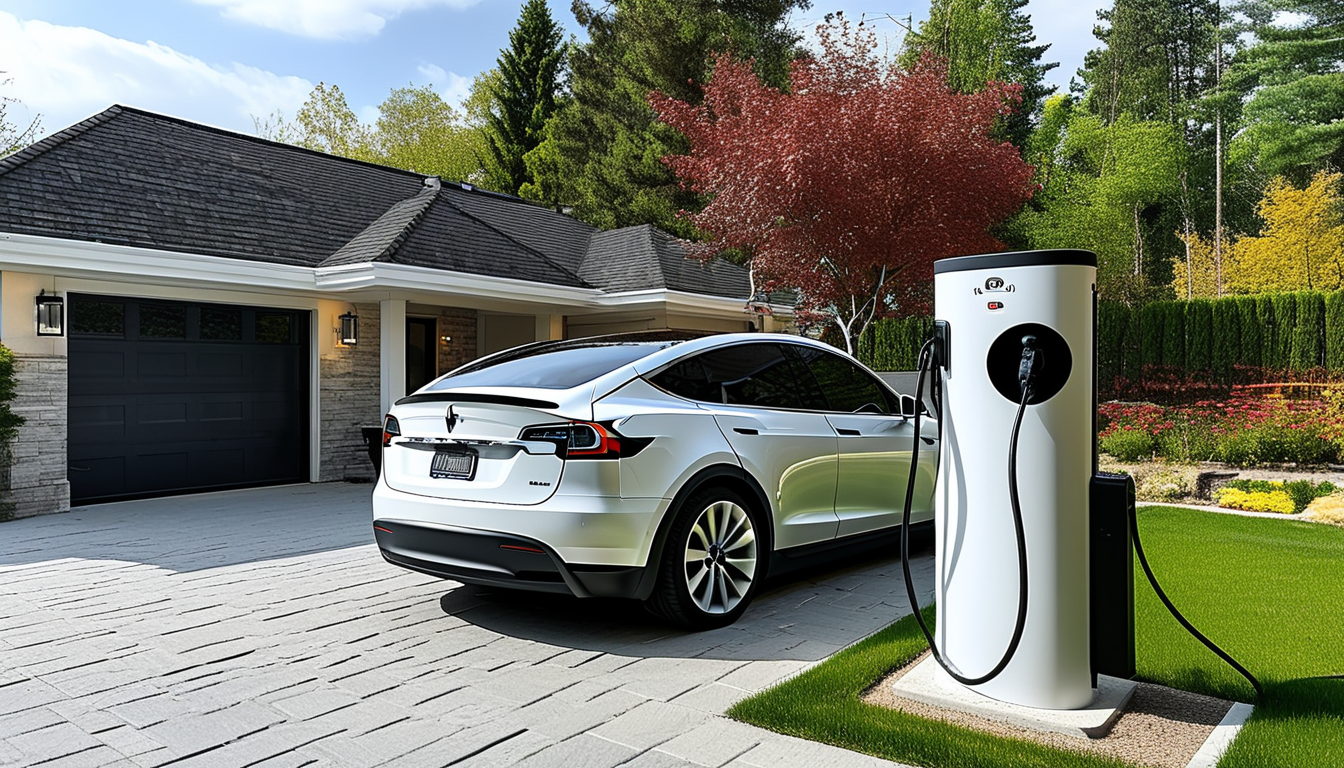
Recent updates to EV charging regulations in England have made it easier, faster, and more cost-effective to install electric vehicle (EV) chargers at both domestic and commercial properties.
These changes remove several long-standing barriers, helping homeowners, landlords, and businesses invest in EV charging infrastructure with less delay and lower upfront costs. As electric vehicles become the norm, understanding how these regulation changes affect you is essential.
What Has Changed in EV Charger Regulations?
One of the most significant updates is that planning permission is no longer required for the installation of most EV chargepoints at homes and commercial premises in England.
This change is designed to:
- Speed up EV charger installations
- Reduce paperwork and administrative delays
- Lower installation costs
- Support the UK’s transition to electric vehicles
For many property owners, this removes a major obstacle that previously slowed or prevented EV charger installation altogether.
What Do These EV Regulation Changes Mean for You?
These updates bring several practical benefits for EV drivers and property owners:
- Faster installation times due to the removal of planning applications
- Lower overall costs, as installers and customers avoid planning fees and delays
- Increased access to smart EV chargers, including load-managed systems
- Less administration, with no planning documentation to manage or renew
- Greater installer availability, helping to drive competitive pricing
In some cases, EV owners could see savings of up to £1,100 per year compared to public charging costs, depending on usage and tariffs.
EV Charging for Landlords and Rental Properties
For landlords, these regulation changes make it far easier to:
- Add EV charging as a tenant benefit
- Increase property appeal and long-term value
- Prepare for future legislation and tenant demand
- Stay competitive in a rapidly changing rental market
As EV ownership continues to rise, properties without charging provision may become less attractive — particularly where off-street parking is available.
Installing EV chargers now is increasingly seen as a future-proofing investment, not a luxury upgrade.
Who Benefits Most From the Changes?
The regulation updates primarily benefit properties with:
- Private driveways
- Off-street parking
- Commercial car parks
- Workplace parking areas
This includes:
- Homeowners
- Landlords with allocated parking
- Businesses offering staff or fleet charging
If your property meets these criteria, you can usually proceed with installation without planning permission, subject to electrical suitability.
What About On-Street Parking?
For properties that rely on on-street parking, planning permission is still required for certain EV charging solutions.
This applies to installations such as:
- On-street EV chargepoints
- Cable gullies that run charging cables across pavements
- Kerbside charging infrastructure
While these solutions are developing, they currently remain subject to local authority approval.
The Future of EV Charging in the UK
With the planned ban on the sale of new petrol and diesel vehicles from 2030, EV charging infrastructure is expanding rapidly across England.
So far, we’ve seen:
- Over £2.3 billion invested by the UK Government into EV infrastructure
- More than 80,000 public chargepoints already live nationwide
- Around 18,000 new workplace chargers installed in the past year
- Over 1,400 EV chargers added to schools and colleges
- A long-term commitment to 300,000 public chargepoints by 2030
These measures are designed to remove barriers and make EV ownership viable for more people across the country.
Why Now Is the Right Time to Install an EV Charger
With regulations easing and infrastructure expanding, installing an EV charger has never been more straightforward.
Early adopters benefit from:
- Lower installation costs
- Increased property value
- Reduced reliance on public charging
- Readiness for future EV demand
As 2030 approaches, demand for qualified EV charger installers will only increase — potentially leading to longer lead times and higher costs.
How We Can Help
As qualified electrical contractors, we provide:
- Home EV charger installations
- Landlord and rental property EV charging solutions
- Workplace and commercial EV chargers
- Load management and consumer unit upgrades
- Advice on compliance, capacity, and future-proofing
We focus on safe, compliant installations that suit both your current needs and future requirements.
Thinking About Installing an EV Charger?
If you’re considering an EV charger for your home, rental property, or business, a quick assessment can confirm what’s possible and what’s required.
We’re happy to offer clear, practical advice — no pressure, no jargon.
🔌 Get in touch today to discuss EV charging options for your property.